Undergoing plastic surgery is a deeply personal decision, often linked to the desire to feel better about oneself. However, after the procedure, a common concern that can cause anxiety arises: the appearance of scars. Although they are a natural part of the recovery process, their evolution can influence the final perception of the results.
The scarring process in plastic surgery is not an immediate event, but a dynamic process that requires time, proper care, and medical follow-up. Understanding how scars evolve allows patients to make more informed and realistic decisions, reducing uncertainty during recovery.
Along this journey, the guidance of an experienced specialist is key. Dr. César López Romero not only performs surgical procedures with precision but also guides his patients through every stage of the healing process, helping them optimize long-term aesthetic results.
Beyond the surgery itself, there are multiple strategies that both the surgeon and the patient can implement to improve the appearance of scars. With the right approach, it is possible to achieve natural, discreet, and harmonious results for the body.
What is scarring in plastic surgery?
The scarring process in plastic surgery is the biological process by which the body repairs tissue after a surgical incision. This process is essential for recovery, but it also directly influences the final aesthetic outcome.
Phases of the healing process
Healing occurs in several well-defined stages that can extend over months or even more than a year.
Inflammatory phase
This phase begins immediately after surgery. It is characterized by redness, swelling, and a slight feeling of warmth in the treated area. It is the body's natural response to protect the wound.
Proliferative phase
During this stage, the body begins to produce collagen and new blood vessels. The wound closes progressively and the skin begins to regenerate.
Maturation phase
This is the longest phase. The scar becomes flatter, softer, and less visible over time. It can last between 6 months and 2 years, depending on the patient.
Factors influencing scar appearance
Not all scars heal in the same way. Various factors can affect their final appearance.
Individual factors
Genetics play a fundamental role. Some people are more predisposed to developing hypertrophic or keloid scars. Age, skin type, and overall health also have an impact.
Type of surgical procedure
The location of the incision, the technique used, and skin tension directly affect the healing process.
Postoperative care
Following medical advice is crucial. Proper hygiene, sun protection, and the use of specific products can make a significant difference.
Steps surgeons take to optimize healing
Plastic surgery specialists focus not only on the immediate result of the procedure but also on how the skin will evolve over time. Scarring in plastic surgery begins to be optimized from the moment the intervention is planned, through strategic decisions that seek to minimize scar visibility and promote aesthetic recovery.
Advanced suturing techniques
The use of fine sutures and careful closure techniques reduces skin tension, promoting more aesthetic healing. However, this aspect goes far beyond simply closing an incision.
Surgeons use layered techniques, meaning they suture not only the skin's surface but also the underlying tissues. This allows for better tension distribution, preventing it from falling on the most visible layer and reducing the risk of widened or prominent scars.
In addition, absorbable suture materials are used in many cases, which decreases the need for removal and reduces wound manipulation. Precision in this process is key, as even millimeters can make a difference in the final result.
Strategic incision placement
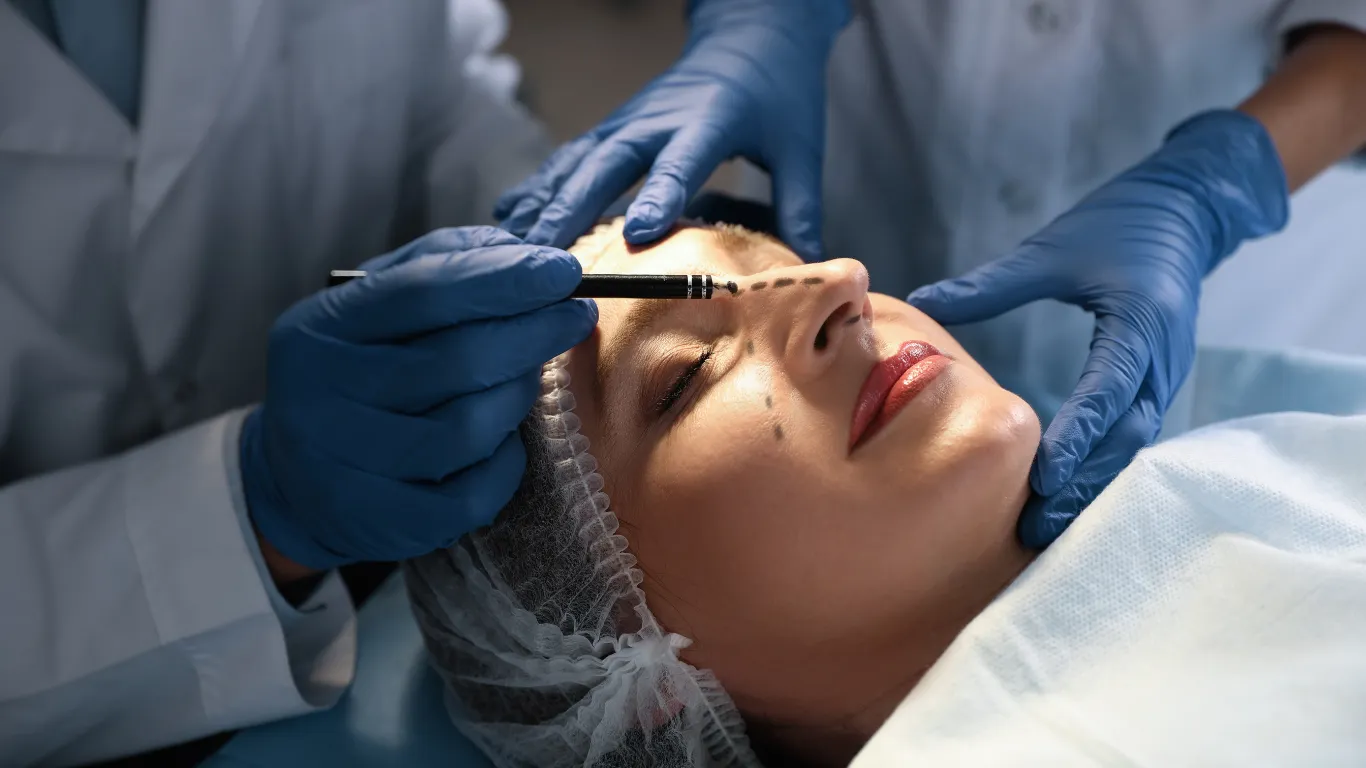
Whenever possible, surgeons place incisions in inconspicuous areas or within the body's natural folds. This planning is not accidental, but the result of a detailed analysis of the patient's anatomy.
Incisions can be placed along the skin's natural tension lines, known as Langer's lines, where healing tends to be more favorable. We also look for areas where the scar can be easily concealed, such as under the breast, in the navel, or within body folds.
This approach ensures that even if the scar is visible in the early stages, it will blend better with the surrounding skin over time and go unnoticed in daily life.
Use of specialized technology
In some cases, lasers or energy-based devices are used to improve skin quality and promote better healing. These technologies can be used both during surgery and in the postoperative period.
For example, certain devices help seal blood vessels with greater precision, reducing bleeding and swelling, which positively impacts the healing process. Less inflammation usually translates into thinner, less visible scars.
Subsequently, laser treatments can stimulate collagen production, improve skin texture and reduce scar redness. This allows for active intervention in the scar's evolution, rather than simply waiting for it to mature naturally.
Tension control and tissue management
Another fundamental aspect is the careful handling of tissues during surgery. Surgeons avoid excessive manipulation, as this can cause additional trauma and affect the quality of the healing.
Likewise, techniques are implemented to reduce tension on the wound, such as the use of internal sutures or surgical adhesives. Lower tension significantly decreases the risk of hypertrophic or widened scars.
Personalized postoperative protocols
Optimizing healing does not end in the operating room. Surgeons design postoperative protocols tailored to each patient, which may include the early use of silicone sheets, specific massages, or complementary treatments.
Close follow-up allows for the identification of any changes in the early stages and timely action, which considerably improves the final result.
Together, all these measures reflect a comprehensive approach to healing in plastic surgery, where every decision is aimed at achieving more discreet, harmonious scars that align with the patient's aesthetic goals.
Patient care to improve scar appearance
The patient's role is fundamental in the recovery process. Following medical instructions can significantly optimize results.
Proper hygiene
Keeping the area clean prevents infection and promotes healthy healing.
Sun protection
Sun exposure can darken scars. It is essential to use broad-spectrum sunscreen for several months.
Use of topical products
Silicone gels, scar creams, and specialized patches help improve the texture and color of the scar.
Avoid skin tension
Sudden movements or intense physical activities can affect healing. It is important to respect recovery times.
Post-surgical scar improvement treatments
When a scar does not heal as expected, there are complementary treatments that can improve its appearance.
Dermatological laser
Laser treatment helps reduce redness and improves skin texture.
Microneedling
It stimulates collagen production and promotes skin regeneration.
Injections
In some cases, corticosteroids are used to treat raised scars or keloids.
Surgical scar revision
When necessary, a surgical correction can be performed to improve the appearance of the scar.
How long does it take for a scar to improve?
Scar evolution requires patience. Although it may look red or swollen in the first few weeks, it tends to lighten and soften over time.
In most cases, the most visible results are seen between 6 and 12 months after surgery. However, full maturation can take longer.
Common mistakes that affect healing
There are practices that can hinder the recovery process.
Ignoring medical instructions is one of the most frequent mistakes. Sun exposure without protection and manipulating the wound prematurely are also common errors.
Using non-recommended products or unsupervised home remedies can worsen the appearance of the scar.
The importance of medical follow-up
Postoperative check-ups allow for the early detection of any healing issues. The specialist can adjust the treatment based on how the scar is evolving.
Professional guidance provides peace of mind to the patient and significantly improves the final results.
FAQ about healing in plastic surgery
Do all plastic surgeries leave visible scars?
Not necessarily. Although every incision creates a scar, many can become almost imperceptible over time if managed properly.
What can I do to speed up healing?
Following medical instructions, maintaining a healthy diet, and avoiding habits like smoking are key factors for optimal recovery.
Do scars disappear completely?
Scars do not disappear completely, but they can improve significantly until they are barely visible.
When should I be concerned about an abnormal scar?
If the scar shows persistent pain, excessive growth, or intense color changes, it is important to consult your specialist.
Trust experts to achieve the best results
The Scarring in plastic surgery is a process that requires time, care, and medical expertise. Every detail counts toward achieving a harmonious and natural result, from the surgical technique to post-operative care.
Dr. César López Romero understands that every patient seeks not only to improve their appearance but also to feel secure throughout the entire process. His comprehensive approach optimizes every stage of recovery, including proper scar management.
If you are considering plastic surgery or wish to improve the appearance of an existing scar, seeing a qualified specialist can make a significant difference. The combination of medical knowledge and commitment to the patient is key to achieving satisfying results.
Take the next step with confidence and let your transformation process be guided by expert hands.