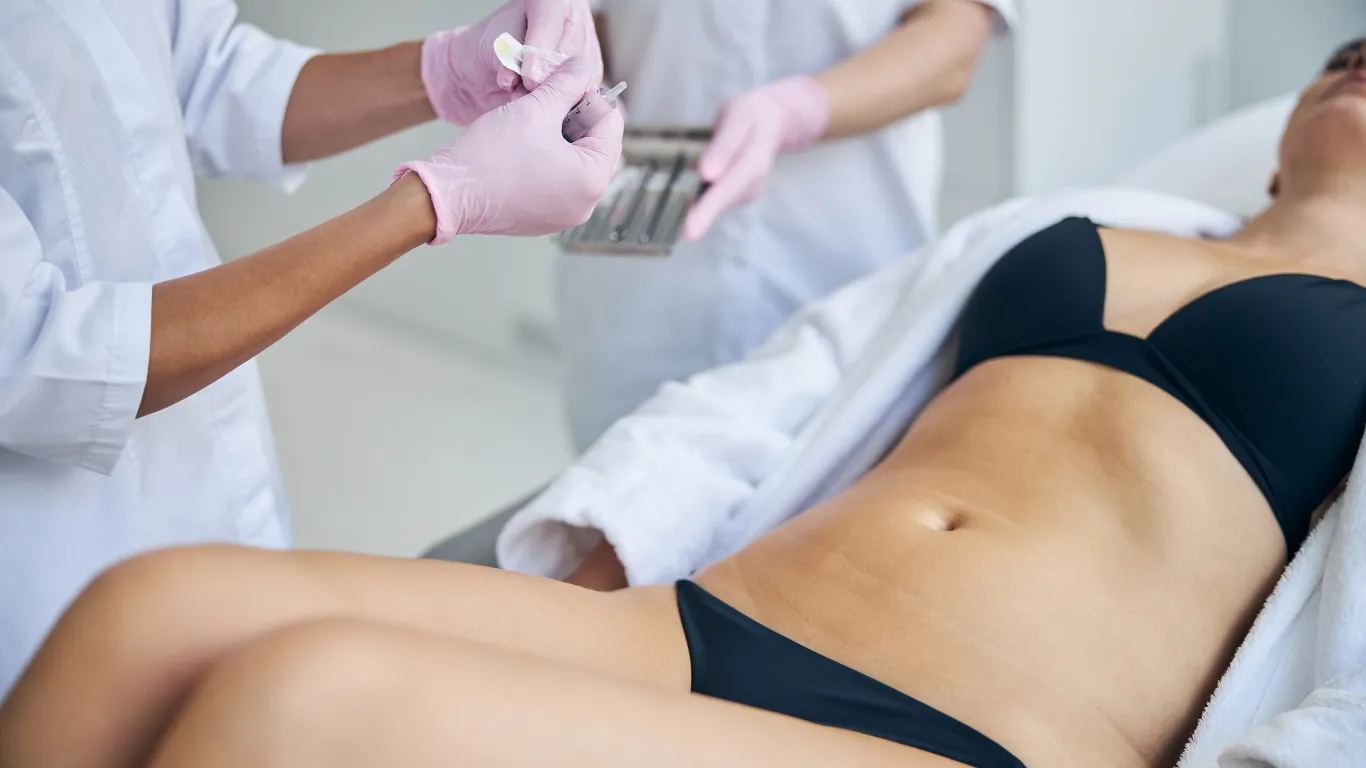
Undergoing liposuction is a significant step for those looking to improve their body contour and achieve a more harmonious silhouette. However, the final result is not visible immediately after surgery. Recovery is part of the process, and one of the most common changes during this period is swelling after liposuction, a completely normal response from the body.
It is common for patients to be surprised when they notice that the treated areas look larger or swollen during the first few days. This can cause concern, especially when one expects to see the new body contour immediately. Understanding why this swelling occurs and how it evolves helps to experience the recovery with greater peace of mind.
Every body responds differently, but there are general stages that allow you to anticipate how the swelling will decrease over the weeks and when the actual results of the procedure will begin to be visible. Furthermore, knowing the proper care promotes a more comfortable and safe recovery.
Dr. César López Romero supports each patient throughout the entire recovery process, providing personalized follow-up and specific recommendations to optimize healing, control swelling, and promote natural, long-lasting results.
Why does swelling appear after liposuction?
Swelling after liposuction is part of the natural healing process.
During surgery, the cannulas used to remove fatty tissue cause controlled trauma to the subcutaneous fat and surrounding tissues. In response, the body activates inflammatory mechanisms that promote the repair of the treated areas.
This process temporarily increases blood flow, facilitates the arrival of repair cells, and causes fluid accumulation in the tissues.
Although it may be uncomfortable, swelling is a sign that the body is beginning its recovery.
Is it normal for the body to look larger at first?
Yes. One of the most frequent questions is why some areas seem to increase in volume after surgery.
This happens because inflammatory fluid can temporarily occupy the space left behind after fat extraction.
In addition, edema makes the tissues feel firmer and more voluminous during the first few days.
This appearance improves progressively as the body reabsorbs the accumulated fluids and healing advances.
First stage, the first 72 hours
Peak inflammatory process
The most intense inflammatory response occurs during the first three days.
It is common to observe swelling, tenderness, bruising, and a feeling of tightness in the treated areas.
These changes are completely expected and are usually managed with the medications prescribed by the surgeon.
Use of compression garments
Wearing a post-operative compression garment is recommended from the very first hours.
This garment helps control swelling, promotes tissue adaptation, and contributes to shaping the new body contour.
Wearing it consistently for the indicated time is a fundamental part of your recovery.
Early mobility
Although rest is important, walking short distances is also recommended starting from the first few hours.
Early movement improves circulation and reduces the risk of complications associated with prolonged bed rest.
Second stage, from the first to the second week
During this period, swelling after liposuction remains evident, although it begins to decrease slowly.
Bruises change color as the body reabsorbs the blood accumulated under the skin.
You may feel some hardening in certain areas, which is a normal part of the healing process.
Many people can now return to work activities that do not involve significant physical exertion.
Third stage, from the third to the sixth week
A significant change is usually observed during this phase.
Most of the swelling begins to subside and the body contour starts to become more clearly defined.
However, small areas of swelling may still persist, especially at the end of the day or after prolonged activity.
The tissues continue to reorganize internally and sensitivity may vary across different areas of the body.
Fourth stage, from two to three months
During this period, swelling decreases considerably.
Many people can already appreciate much of the result obtained through liposuction.
The skin begins to adapt better to the new contour and the tissues take on a more natural consistency.
Nevertheless, the internal healing process continues to develop.
Fifth stage, from three to six months
Between the third and sixth month, most of the swelling after liposuction disappears.
The body progressively completes the reorganization of connective tissue and the skin finishes adapting to the new silhouette.
It is during this period that most patients see much more defined and stable results.
When does the swelling disappear completely?
Recovery time varies for each patient.
Factors such as the amount of fat removed, the areas treated, the surgical technique used, skin quality, and individual characteristics influence the speed of recovery.
Generally speaking, residual swelling can take between six months and a year to disappear completely.
For this reason, it is important to avoid evaluating the final results too soon.
Factors influencing swelling
Extent of the procedure
The greater the number of areas treated or the volume of fat removed, the more noticeable and prolonged the swelling may be.
Skin quality
People with good skin elasticity usually experience faster tissue adaptation.
General health status
A balanced diet, proper hydration, and the absence of conditions that affect healing promote a more efficient recovery.
Adherence to medical instructions
Correct use of the compression garment, attending follow-up appointments, and respecting recovery timelines directly influence the progression of swelling.
How can you reduce swelling after liposuction?
Managing swelling after liposuction depends primarily on proper postoperative care.
Continuous use of the compression garment helps control edema and promotes tissue adaptation.
Maintaining good hydration facilitates fluid balance in the body.
A diet rich in protein, fruits, and vegetables provides essential nutrients for healing.
It is also important to avoid foods high in sodium, as they can promote fluid retention.
Adequate rest and a gradual return to physical activity also contribute to a better recovery.
What role does lymphatic drainage play?
In some patients, the surgeon may recommend lymphatic drainage sessions.
This type of specialized massage promotes the mobilization of accumulated fluid and can help reduce swelling when performed at the right time by trained personnel.
Not all patients require this treatment, so you should always follow your specialist's individual recommendation.
When should I start exercising?
Strenuous exercise should only be resumed once authorized by your surgeon.
Generally, walking can be started within the first few days.
Higher-impact activities are usually incorporated several weeks later, depending on each patient's clinical progress.
Respecting these timelines prevents increased swelling and avoids compromising the healing process.
Normal signs during recovery
In addition to swelling, it is common to experience a feeling of tightness, temporary hardening of certain areas, a temporary decrease or increase in sensitivity, and minor surface irregularities.
Most of these changes disappear gradually as the tissues heal.
Patience is essential during this stage.
When should I consult my surgeon?
Although recovery usually proceeds without complications, there are symptoms that require immediate medical evaluation.
Severe pain that does not improve with medication, persistent fever, heavy discharge from wounds, significant localized swelling, difficulty breathing, or noticeable changes in skin color should be evaluated by your specialist.
Close communication with your surgeon allows for timely action should any issues arise.
The importance of medical follow-up
Follow-up appointments allow us to assess the progress of swelling after liposuction, adjust recovery recommendations, and answer any questions that may arise during the process.
Every patient heals at a different pace, which is why personalized follow-up is essential for achieving the best possible results.
Frequently asked questions about swelling after liposuction
How long does swelling last after liposuction?
Most of it subsides within the first two to three months, although residual swelling can persist for up to six months or even a year.
Is it normal for some areas to be more swollen than others?
Yes. Depending on the amount of fat removed and your body's individual response, some areas may take longer to reduce swelling.
Does the compression garment really help reduce swelling?
Yes. The compression garment helps control edema, improves tissue adaptation, and is a standard part of the postoperative care recommended by your surgeon.
When will I start to see real results?
Many patients notice significant changes between the second and third month, although the final result is usually visible between six and twelve months.
Is lymphatic drainage mandatory?
No. Whether it is recommended depends on each patient's specific needs and the assessment made by the surgeon during postoperative follow-up.
Experience a recovery process with complete peace of mind
The swelling after liposuction is a completely normal part of the recovery process and should not be interpreted as an indicator of the final result. Understanding each stage allows you to have realistic expectations, properly follow medical recommendations, and face the postoperative period with greater confidence.
Dr. César López Romero provides close support before, during, and after surgery, offering personalized follow-up that helps optimize recovery and achieve a harmonious and natural body contour. If you are considering liposuction or wish to resolve your questions about the recovery process, schedule a consultation and receive a professional assessment tailored to your needs.
Meta Title: Swelling after liposuction: stages, care, and recovery
Meta Description: Discover how swelling evolves after liposuction, how long it lasts, what care to follow, and when to see results with Dr. César López Romero.