Deciding to undergo breast surgery represents much more than just a physical change. For many women, it means regaining confidence, improving well-being, or correcting a condition that has affected their quality of life for years. However, the surgical procedure is only the beginning of a process that is just as important: breast surgery recovery.
Each stage of recovery brings normal changes that can raise questions. Swelling, discomfort, the use of special garments, and the gradual return to daily activities are all part of a journey that requires patience and medical follow-up. Understanding what to expect in each phase helps you go through this process with greater peace of mind.
Although every patient heals differently, there is a general timeline that provides insight into how recovery typically unfolds after breast augmentation, breast reduction, a breast lift, or reconstructive surgery. Having clear information also helps you identify when your progress is on track and when it is necessary to consult your specialist.
Dr. César López Romero supports each patient through every stage of the process, offering personalized follow-up and specific recommendations to ensure a safe recovery and long-lasting results. Knowing what happens after surgery is the first step toward fully enjoying the benefits of the procedure.
Why is it important to understand breast surgery recovery?
Recovery directly influences the final outcome of any breast procedure. During this period, the body initiates natural healing mechanisms, tissue adaptation, and a reduction in swelling, which allow the final shape of the breasts to emerge progressively.
Carefully following your surgeon's instructions reduces the risk of complications and promotes a more comfortable recovery. It also helps protect the incisions, maintain the proper position of implants (if applicable), and avoid physical strain that could affect healing.
It is important to remember that immediate results do not represent the final appearance of the surgery. Initial swelling can temporarily alter the shape and volume of the breasts, so patience is a fundamental part of the process.
Immediate recovery: the first 24 hours
The first few hours after surgery are typically spent under medical observation before discharge, depending on the procedure performed and the patient's general condition.
During this period, it is normal to experience swelling, a feeling of pressure, sensitivity, fatigue, and mild to moderate discomfort, which are usually effectively managed with prescribed medication.
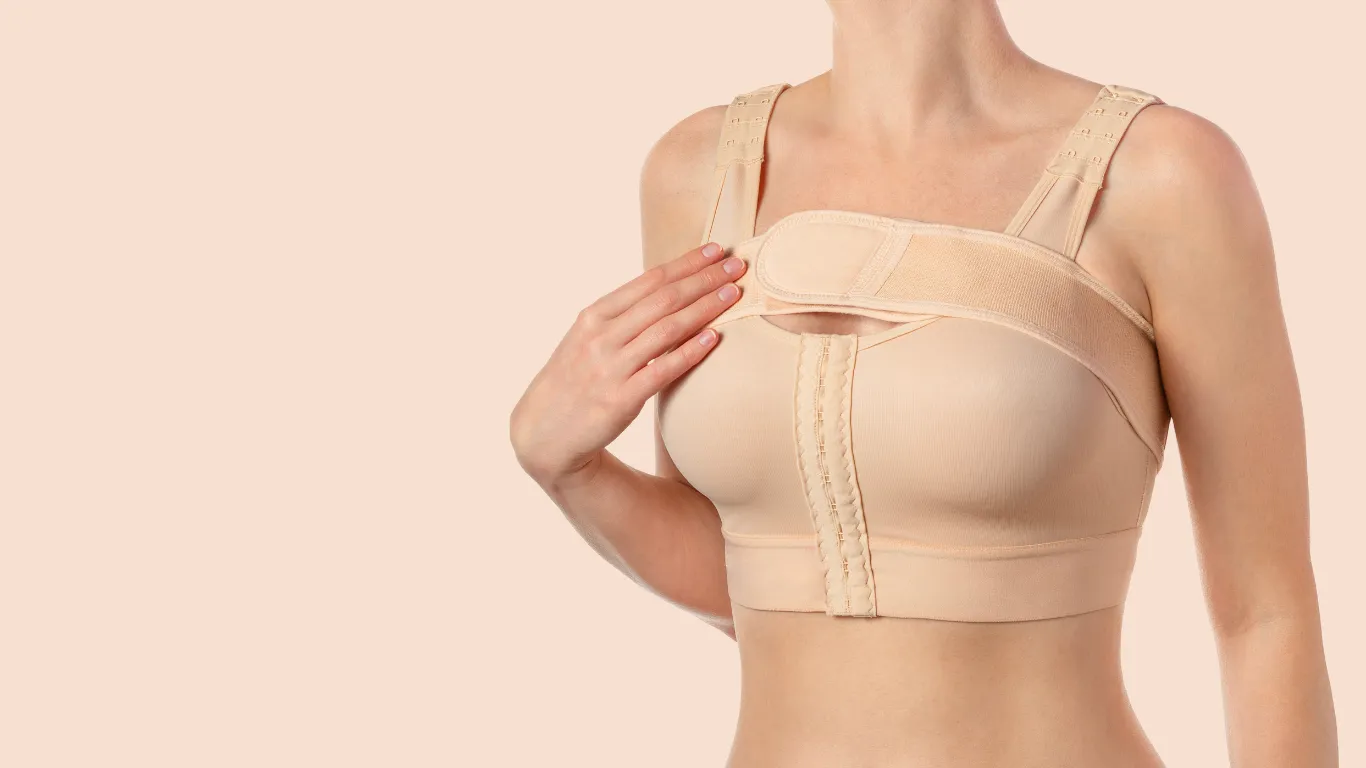
Many patients may also be fitted with bandages or a surgical bra designed to provide support, minimize tissue movement, and promote healing.
Relative rest is essential during this first day. Although walking slowly for short periods is recommended to stimulate circulation, sudden movements and any physical exertion should be avoided.
First three days, the body's adaptation
Swelling and discomfort
The highest degree of swelling usually occurs during the first three days. Your breasts may feel firm, elevated, or even slightly different from one another, which is completely normal at this stage.
Discomfort usually decreases progressively thanks to the analgesic and anti-inflammatory treatment prescribed by your plastic surgeon.
Adequate rest
Sleeping on your back with your torso slightly elevated using pillows helps reduce swelling and prevents pressure on the breasts.
Additionally, it is recommended to stay well-hydrated and consume foods rich in protein, vitamins, and minerals to promote healing.
Limited mobility
Although walking is beneficial, lifting heavy objects or making wide movements with your arms can increase swelling and cause unnecessary discomfort.
First week, active recovery begins
By the end of the first week, many patients experience a significant decrease in pain, although some swelling still persists.
During this period, initial follow-up appointments are usually scheduled to assess the progress of the incisions and ensure that the healing process is proceeding properly.
Depending on the procedure performed, some patients may return to office-based work, provided it does not involve physical exertion.
It is essential to continue wearing the post-surgical bra for the indicated time, as it provides stability to the tissues while they heal.
Second week, greater comfort
The second week usually marks a significant turning point in breast surgery recovery.
Many patients regain more independence to perform daily activities such as walking, cooking, or working at a computer.
Although the swelling continues to decrease, it is still normal to observe some tissue firmness and variable sensitivity around the incisions.
Scars begin to firm up, although they may still appear red or pink, which will gradually improve over the coming months.
Months one to two: functional recovery
Gradual return to routine
Between the fourth and eighth week, most patients can resume the majority of their usual activities.
However, you should only return to physical exercise once your surgeon has cleared you to do so.
Reduction in swelling
Most of the swelling disappears during this period, allowing the breasts to take on a much more natural shape.
In the case of breast augmentation, the implants begin to gradually settle into their final position as the tissues relax.
Scar care
During this stage, specific treatments to improve the appearance of scars are usually started, such as silicone gels, special sheets, or massages recommended by your specialist.
Additionally, direct sun exposure should be avoided to prevent changes in scar pigmentation.
Months three to six: consolidation of results
During this period, the tissues continue to adapt.
The breasts take on a softer, more natural appearance, while sensitivity typically returns to normal gradually.
The scars begin to fade in color and become less visible.
Although many patients are already fully enjoying their results, the internal healing process continues to progress.
Six months to one year: final results
Most patients reach their virtually final results between six and twelve months after surgery.
During this time, residual swelling disappears almost completely and the scars continue to mature.
In procedures such as breast augmentation, implants reach their stable position, while in breast reduction or mastopexy, the tissues take on their final shape.
This period also allows for the assessment of the procedure's success and the stability of the results obtained.
Does recovery vary depending on the type of surgery?
Yes. Although there are common stages, each procedure has its own specific characteristics.
Recovery after breast augmentation
Breast augmentation usually involves discomfort related to the adaptation of the muscle and tissues around the implant.
When implants are placed under the pectoral muscle, it is common to feel a sense of pressure during the first few weeks.
Swelling decreases progressively, and the implants gradually descend to achieve a more natural appearance.
Recovery after breast reduction
Breast reduction often provides quick relief from discomfort such as back, neck, and shoulder pain.
However, due to the greater amount of tissue involved, swelling may last slightly longer than in other procedures.
Patients must take special care of the incisions to promote proper healing.
Recovery after a mastopexy
In a mastopexy, the primary adaptation involves the new position of the breast tissues.
It is normal for the breasts to appear higher than expected during the first few weeks.
Over time, they take on a more natural appearance as the skin and internal tissues settle.
Recovery from breast reconstruction
Reconstructive surgery may require a longer recovery, especially when using autologous tissue flaps in addition to implants.
Medical follow-up is usually more frequent to monitor proper tissue integration and optimize the aesthetic and functional outcome.
Factors influencing recovery
Each patient's progress depends on multiple factors.
Age, general health, skin quality, smoking, diet, management of chronic conditions, and adherence to medical advice all directly influence the speed of recovery.
Likewise, the plastic surgeon's experience and proper surgical planning contribute significantly to reducing complications and promoting a successful recovery.
Tips for a faster recovery
Maintaining a diet rich in protein, fruits, and vegetables provides the nutrients necessary for new tissue formation.
Getting enough sleep supports the body's natural repair processes.
It is essential to wear the post-surgical bra for the recommended time, attend all follow-up appointments, and avoid smoking, as tobacco reduces blood flow and can significantly delay healing.
It is also crucial to respect the indicated timeframes before resuming sports, lifting heavy objects, or performing repetitive arm movements.
Warning signs during recovery
Although most recoveries proceed without complications, it is important to recognize certain signs that require immediate medical evaluation.
A significant increase in pain that does not improve with medication, persistent fever, heavy discharge from the wounds, excessive swelling in one breast, difficulty breathing, or significant changes in skin color should be evaluated as soon as possible.
Constant communication with your surgeon allows you to resolve any questions and act promptly if any complications arise.
Frequently asked questions about breast surgery recovery
How long does breast surgery recovery take?
Initial recovery usually lasts between four and eight weeks, although internal healing continues to evolve for several months. Final results are typically seen between six and twelve months.
When can I return to exercise?
It depends on the procedure performed and individual progress. Generally, light activities can be resumed after a few weeks, while high-intensity exercises require the surgeon's approval.
Is it normal for breasts to feel hard after surgery?
Yes. During the first few weeks, it is common to experience temporary swelling and hardening of the tissues. This sensation gradually decreases as recovery progresses.
When do the scars disappear?
Scars improve progressively over a period that can last between twelve and eighteen months. Their final appearance depends on the surgical technique, aftercare, and each patient's individual characteristics.
When will I see the final result?
Although the change is evident from the first few weeks, the final result is usually seen once the swelling has completely disappeared and the tissues have finished adapting, generally between six months and a year after surgery.
Understand every phase with knowledge and confidence
The breast surgery recovery is a fundamental stage for achieving natural, safe, and long-lasting results. Understanding each phase allows you to face the process with greater confidence, reduce anxiety, and follow the necessary recommendations to promote proper healing.
Every patient has unique needs, which is why having personalized medical follow-up makes a significant difference in your progress and satisfaction with the results. Dr. César López Romero supports his patients before, during, and after surgery, answering questions and offering comprehensive care that prioritizes safety and well-being. If you are considering a breast procedure or want to know which option is best for you, schedule a consultation and receive a professional assessment to begin this process with peace of mind and confidence.