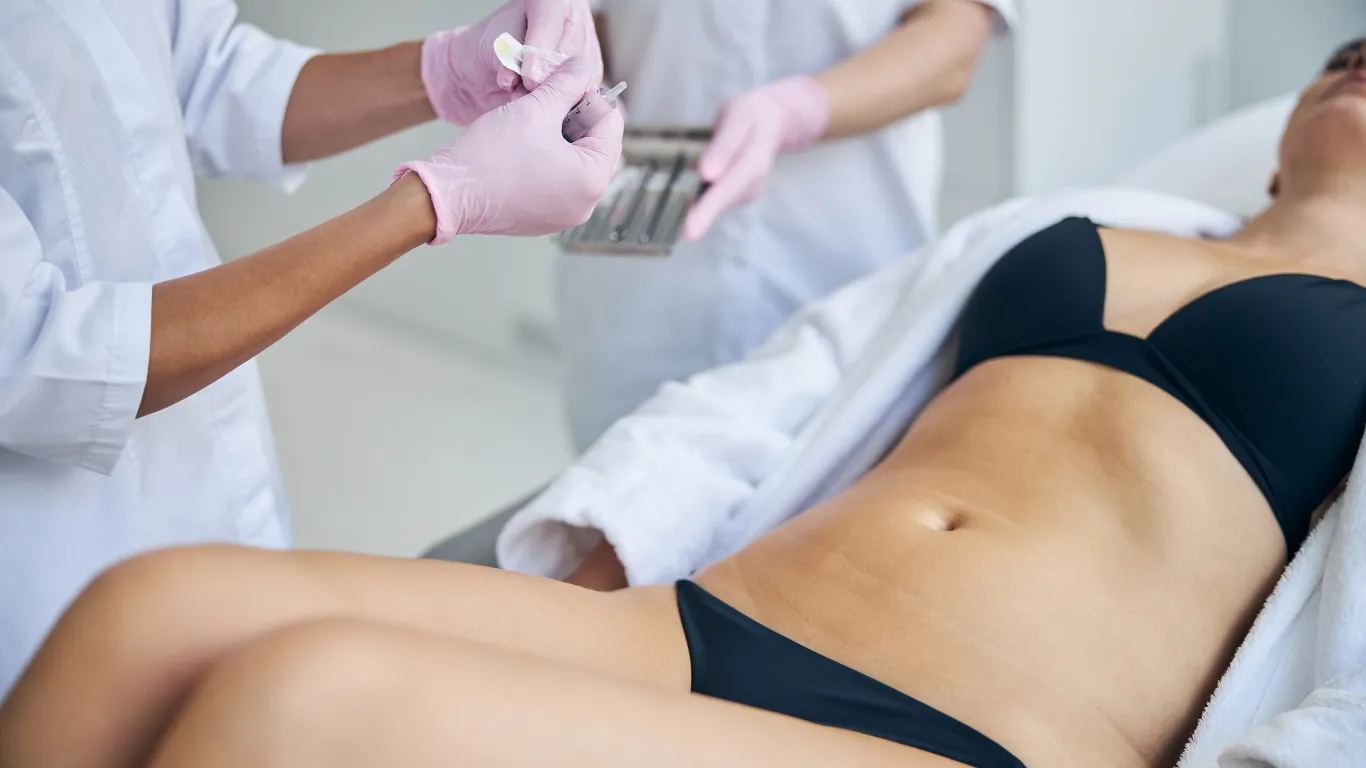

Weight loss is, without a doubt, an extraordinary achievement. It represents discipline, commitment and a profound change in lifestyle. However, for many people, this success comes with an unexpected reality: the Saggy skin after losing weight, a condition that can affect both physical appearance and self-esteem.
After a significant body transformation, it is common for the skin to fail to fully adapt to the new body volume. This can lead to discomfort, difficulty getting dressed, and even physical discomfort. Beyond aesthetics, it's about regaining body harmony and feeling good about your reflection.
In the practice of Dr. César López Romero, many patients express this same concern. They have reached their ideal weight, but they still feel that their body does not fully reflect the effort put in. This is where body contouring surgery becomes a powerful tool to complete the transformation process.
Understanding the options available is the first step in making an informed decision. In this article, we explore in depth surgical procedures that help treat excess skin and restore body proportions safely and effectively.
Why does sagging skin appear after losing weight?
La Saggy skin after losing weight occurs mainly because the skin loses its ability to retract after a significant reduction in body volume. This phenomenon is related to several factors.
Factors that influence flaccidity
Skin elasticity depends on collagen and elastin. When a person gains a lot of weight over years, these fibers stretch beyond their ability to recover. By rapidly losing weight, the skin does not always manage to return to its original state.
Age also plays an important role. As we age, collagen production decreases, reducing the skin's ability to adapt. In addition, factors such as genetics, smoking and sun exposure can aggravate flaccidity.
Areas of the body most affected
The areas where excess skin most commonly appears include the abdomen, arms, thighs, lower back, and chest. These areas often require specific interventions to achieve a harmonious result.
When to consider body contouring surgery?
Not all people with flaccidity They need surgery, but there are cases where surgical procedures are the only effective solution.
Main indications
It is recommended to consider surgery when excess skin is significant, causes discomfort, or affects quality of life. It is also important that the body weight has been stable for at least six months.
The patient's general health status and expectations are also key factors. In the consultation with the Dr. César López Romero, a comprehensive evaluation is performed to determine the best personalized approach.
Surgical Procedures to Treat Sagging Skin
There are several surgical options designed to remove excess skin and improve body contour. Each procedure is tailored to the specific needs of each patient.
Abdominoplasty: Redefining the Abdomen
Abdominoplasty is one of the most requested procedures to treat Saggy skin after losing weight in the abdominal area.
This procedure removes excess skin and fat from the abdomen, in addition to tightening the abdominal muscles. The result is a firmer, flatter abdomen that is in proportion to the rest of the body.
In many cases, tummy tuck not only improves appearance, but it also contributes to better posture and functionality.
Brachioplasty: arm tightening
Brachioplasty is focused on removing excess skin from the upper arms.
After significant weight loss, it's common for the arms to appear hanging. This procedure allows you to recover firmness and definition, achieving a more stylized contour.
Cruroplasty: thigh lift
Cruroplasty, or Thigh lift, removes excess skin on the inner and outer sides of the thighs.
This procedure not only improves the appearance, but it also reduces friction between the legs, which can prevent irritation and discomfort when walking.
Mastopexy and breast surgery
In both men and women, weight loss can significantly affect breast shape.
Mastopexy, or breast lift, allows breast tissue to be repositioned and excess skin removed. In some cases, it may be combined with implants to restore volume.
Full body lift
When weight loss has been massive, a comprehensive approach known as a body lift may be necessary.
This procedure combines several techniques to treat different areas of the body in a single intervention or in planned stages. The objective is to achieve a global and balanced transformation.
How is the surgical process?
Understanding the process helps to reduce anxiety and to prepare properly for surgery.
Initial Assessment
During the consultation, the specialist analyzes the quality of the skin, the affected areas and the patient's expectations. This stage is key to designing a personalized surgical plan.
The surgery
The procedures are performed in the operating room under anesthesia. The duration depends on the number of areas to be treated and the complexity of the case.
The approach of Dr. César López Romero focuses on advanced techniques that seek natural results and scars that are as little visible as possible.
Recovery
Recovery time varies depending on the procedure, but generally includes rest, use of compression garments, and medical follow-up.
Patient commitment to postoperative indications is essential for optimal results.
Results: Restoring proportions and trust
One of the main benefits of treating Saggy skin after losing weight is the recovery of body proportion.
The patients they tend to experience a significant improvement in their self-esteem, comfort and quality of life. The clothes fit better, the movement is freer and the body image aligns with the effort made.
It's important to have realistic expectations. Although scarring is inevitable, it is usually located in strategic areas and improves over time.
Important Risks and Considerations
Like any surgery, body contouring procedures involve certain risks.
These include infection, bleeding, irregular healing, or fluid buildup. However, these risks are minimized when the surgery is performed by a qualified specialist and under appropriate conditions.
Open communication with the surgeon is key to resolving questions and making informed decisions.
FAQs About Saggy Skin After Losing Weight
Is it possible to remove loose skin without surgery?
In mild cases, non-invasive treatments may slightly improve the appearance. However, when there is significant excess skin, surgery is the only effective solution.
How long should I wait after losing weight to have surgery?
It is recommended to wait until the weight is stable for at least six months. This ensures longer lasting results.
Are the scars very visible?
The scars are permanent, but they are strategically placed to make them as little visible as possible. Over time, they tend to fade considerably.
Can I combine several procedures in a single surgery?
Yes, in many cases it is possible to combine procedures. This depends on the medical evaluation and the patient's general condition.
The Last Step Towards Your Transformation
Completing a weight-loss process is an admirable achievement, but being fully comfortable with your body is just as important. La Saggy skin after losing weight it doesn't have to be the final chapter of your transformation.
The support of a specialist such as Dr. César López Romero allows you to design a safe, personalized plan focused on natural results. Each procedure is an opportunity to regain not only body shape, but also confidence and well-being.
If you're considering taking this step, the time to learn more and take control of your image is now. Schedule a consultation and discover how body contouring surgery can help you reflect, on the outside, all the effort you've already put in inside.