In plastic surgery, precision begins long before the operating room. La Personalized Surgical Planning is the starting point that determines not only the aesthetics of the result, but also the patient's safety and recovery. This medical process, based on an exhaustive anatomical study and clear communication with the patient, allows achieving harmonious and lasting results, designed for each body or facial structure.
Dr. César López Romero, a certified plastic surgeon in Guadalajara, applies a comprehensive approach that combines science, art and personalization. Its methodology is based on a complete medical evaluation and a deep understanding of patient expectations, ensuring natural results that respect anatomy and prioritize safety at all times.
The medical basis for personalized surgery
Safe Plastic Surgery is born from an individualized diagnosis. Surgical planning is not just about choosing a technique, but about building a strategy based on biology, natural proportions and the patient's general health.
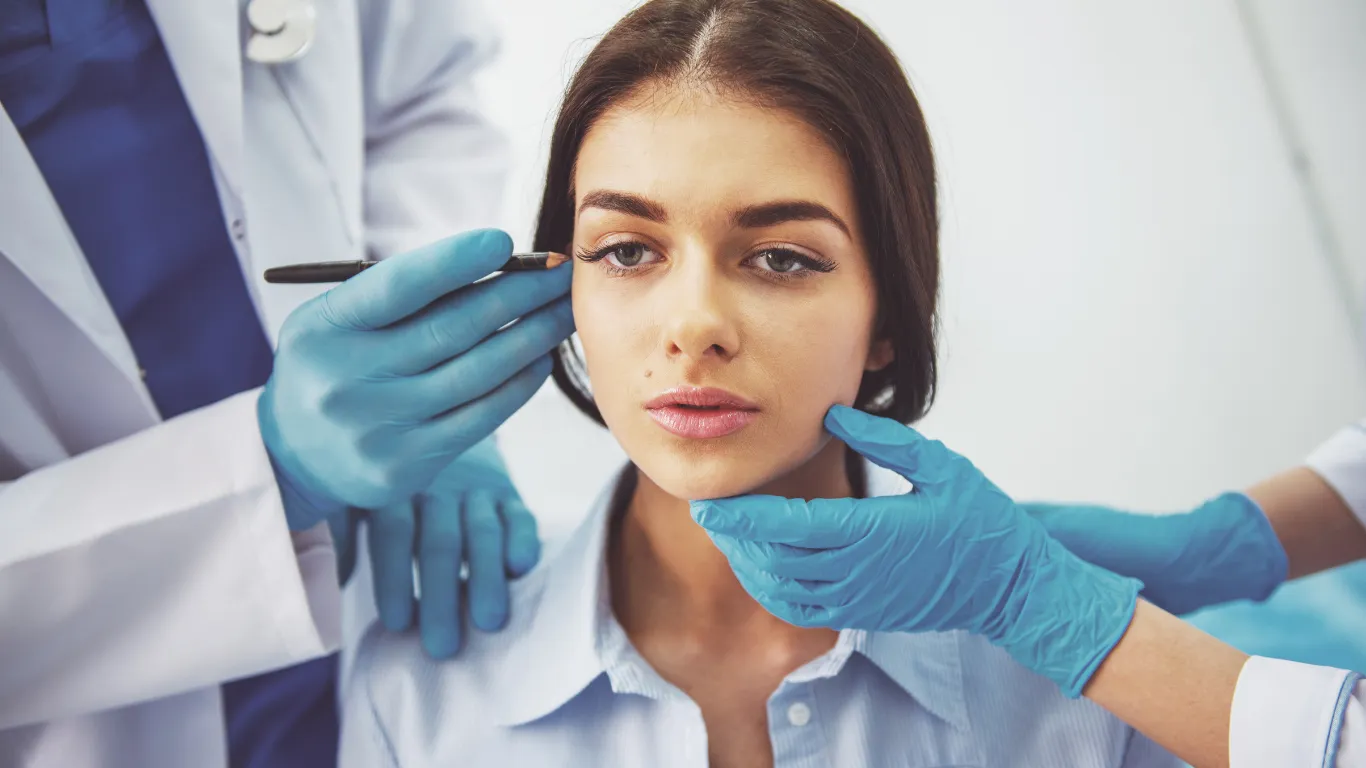
During the Pre-operative consultation, the surgeon analyzes anatomical, physiological and emotional variables that directly influence the final result. This process includes a Complete Anatomical Evaluation, where bone shape, fatty tissue distribution, skin elasticity and relevant medical history are studied.
Also valued are the Realistic Expectations of the patient and their aesthetic desire is translated into a viable and safe surgical plan. From there, a Individualized Surgical Plan, selecting the most appropriate techniques, the type of anesthesia and the ideal postoperative protocol according to the condition of each person.
This level of customization is what differentiates standard surgery from truly medical and precise surgery. In procedures such as Rhinoplasty, lipoabdominopasty Or Breast surgery, planning is the key to maintaining harmony, proportion and naturalness.
From Evaluation to Surgical Design: Essential Steps
The personalized surgical planning process is developed through a sequence of clinically structured steps, where each stage provides valuable information for the success of the procedure.
1. Medical history and comprehensive diagnosis
Information is collected about medical history, allergies, previous surgeries, medications and lifestyle. This initial diagnosis makes it possible to rule out contraindications and customize the intervention to the patient's health conditions.
2. Morphological analysis and anatomical proportions
Through a detailed morphological examination, natural proportions, volumes, symmetries and asymmetries are studied. This analysis is essential to ensure Natural Results and a visual harmony consistent with the original structure.
3. Surgical Technique Selection and Safety Planning
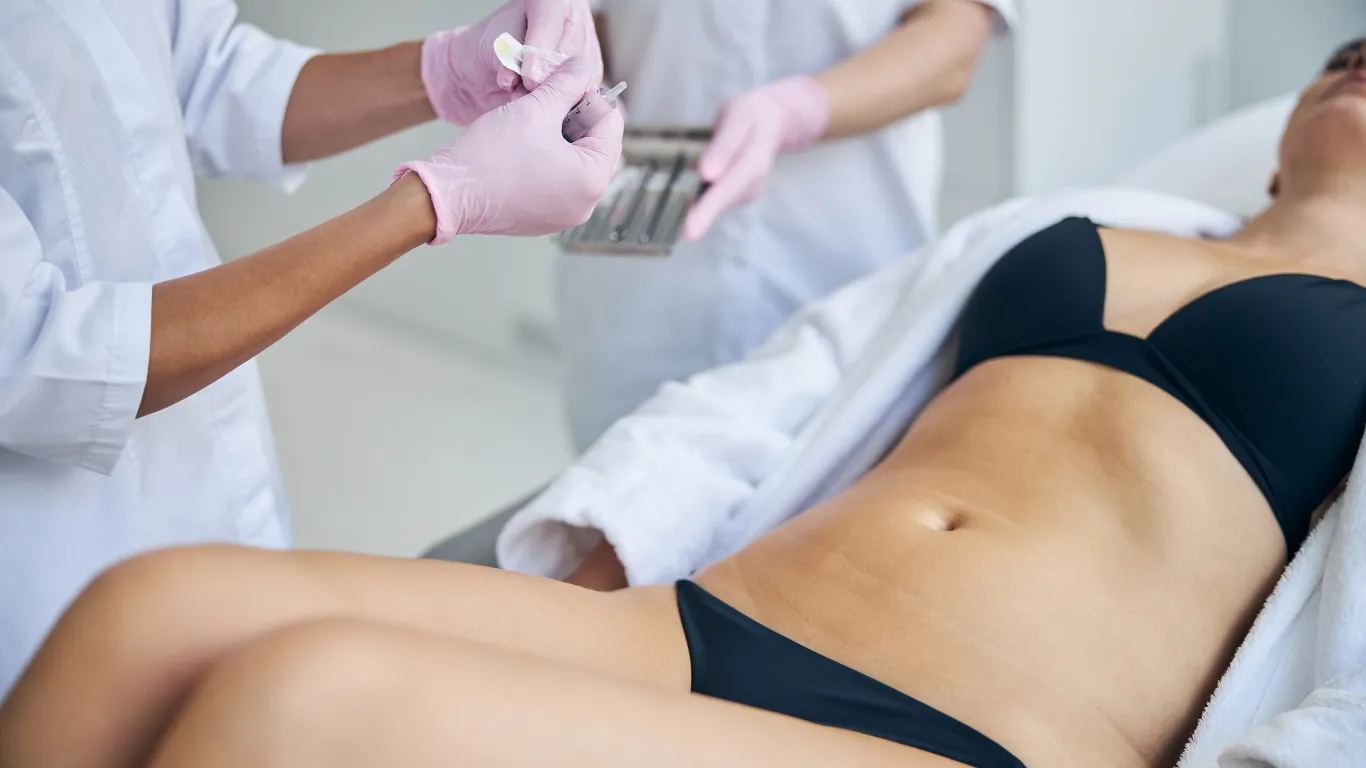
The surgical method is defined based on the patient's anatomical findings and objectives. For example, in high-definition liposuction, specific areas are selected to sculpt the silhouette; in rhinoplasty, the open or closed approach is defined according to the needs of precision and functional correction.
4. Projection and communication of results
A fundamental part of planning is communication. During the consultation, the surgeon explains how technical decisions will impact the final result, encouraging a transparent relationship and a realistic understanding of aesthetic objectives.
You may also be interested in: Plastic surgery: how to achieve natural and authentic changes.
Balance between aesthetics, safety and function
True excellence in plastic surgery does not depend solely on the visual result, but on the integration between aesthetics, functionality and medical safety. Dr. César López Romero's approach prioritizes this balance in every intervention. Its philosophy is based on the idea that beauty is achieved by respecting anatomy and taking care of tissue health.
To ensure optimal results, every surgical decision is based on scientific evidence, safety protocols, and in-depth knowledge of anatomy. Only in this way can a result be achieved that not only looks good, but also works well and remains stable over time.
Fundamental principles of this approach:
- Selection of techniques with proven medical support
- Evaluation of tissue viability before remodeling or removing tissue.
- Customization of the surgical time and the type of anesthesia.
- Rigorous clinical follow-up during the postoperative period.
This process transforms plastic surgery into an integral medical act, where precision is as important as aesthetics.
Advantages of a custom-planned surgery
Una Personalized Surgical Planning offers tangible benefits both in terms of outcome and patient safety. This comprehensive approach allows for more controlled recovery and more harmonious results.
Main advantages:
- More natural results: the procedure is adapted to the patient's anatomical proportions and unique characteristics.
- Lower surgical risk: by anticipating possible complications, surgery is performed with greater control and precision.
- More predictable recovery: tissues are better adapted to interventions designed for their responsiveness and regeneration.
- Long Term Satisfaction: the results remain stable and consistent with the body's natural aging.
In the practice of Dr. César López Romero, these principles apply to both facial and body procedures, always maintaining the medical priority: achieving natural, safe and long-lasting results.
How is planning integrated into the entire surgical process?
Planning doesn't end before the operating room; it continues during surgery and after follow-up. During the procedure, the surgeon adjusts small decisions based on tissue response, maintaining consistency with the original design. In the postoperative period, individual recovery is evaluated and care is adjusted according to the evolution of each patient.
This personalized follow-up is what makes surgery a Comprehensive Medical Process, where each stage, from diagnosis to final control, is part of the same strategy: preserving health, optimizing the outcome and ensuring a safe experience.
Patient safety in aesthetic procedures: Dr. César López Romero's priority.
Beyond the technique: the value of doctor-patient communication
Personalized surgery requires constant dialogue. Listening to, understanding and educating the patient are essential steps within Personalized Surgical Planning. Dr. César López Romero dedicates time to this phase, ensuring that each person understands the real scope of the procedure, recovery times and possible expectations.
This transparent communication creates trust, reduces anxiety and improves overall process satisfaction.
Your Safety, Your Trust, Your Result
Success in plastic surgery does not depend solely on the scalpel, but on the method behind each decision. Una Personalized Surgical Planning allows the surgeon to combine art, science and medical precision to achieve results that feel authentic and natural.
Schedule your evaluation with Dr. César López Romero and discover how a surgical plan designed exclusively for you can offer a safe, consistent and lasting transformation. Your best version starts with an informed decision and an excellent medical approach.
FAQs
Why is planning before plastic surgery important?
Because it allows the technique, anesthesia and care to be adapted to the medical profile of each patient, reducing risks and optimizing results.
How long does the planning process take?
It depends on the procedure, but it usually includes one or more visits for medical review, anatomical diagnosis and surgical plan design.
What is the difference between standard and personalized surgery?
Standard surgery applies generic techniques; personalized surgery considers the anatomy, health and objectives of each patient.
Can the surgical plan be adjusted during surgery?
Yes, the surgeon can make minor adaptations depending on the response of the tissues, always prioritizing safety.
Is post-operative follow-up part of the planning?
Absolutely. Each patient requires individualized controls and adjustments that are part of the same medical process.