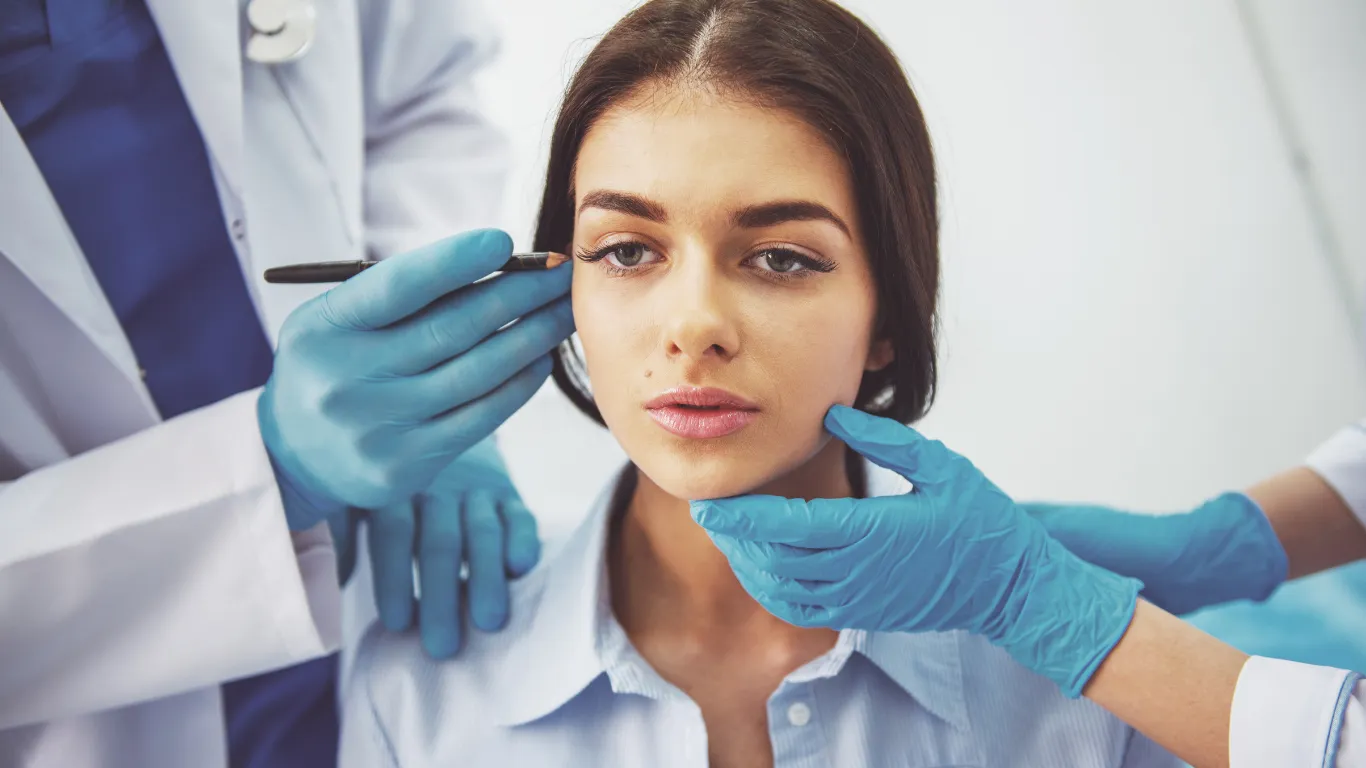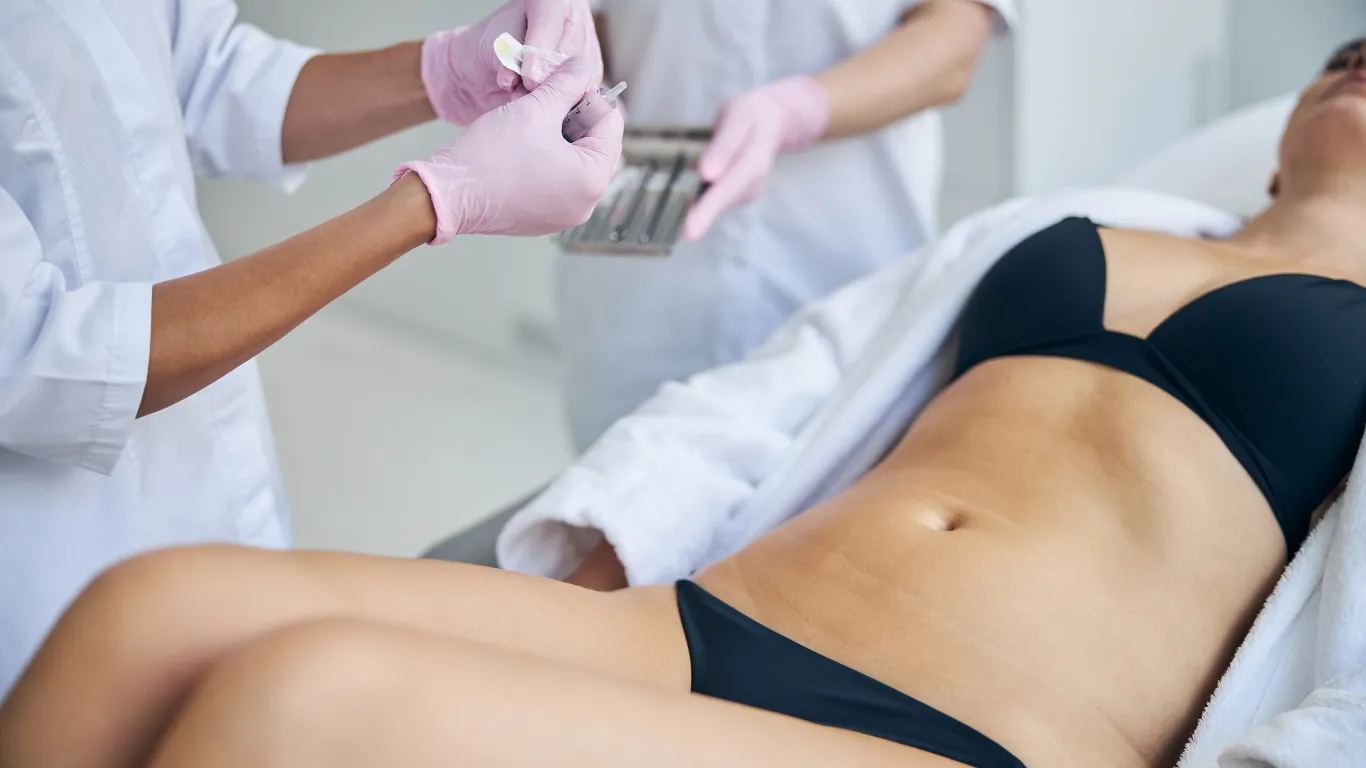
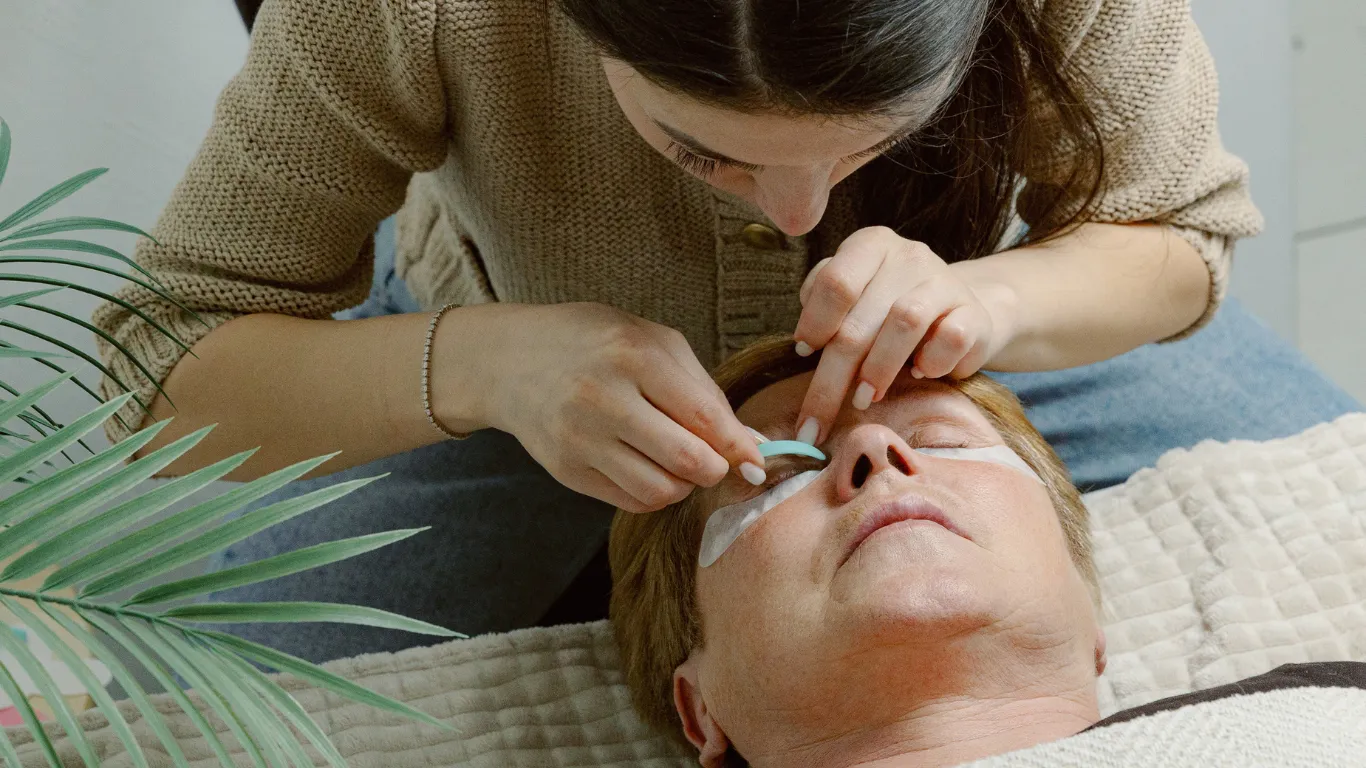
The look is one of the first traits that reveals tiredness, stress and the passage of time. The eyelids, because they have thin and delicate skin, tend to show signs of aging sooner, such as wrinkles, sagging and bags.
For Dr. César López Romero, plastic surgeon with a vision where medical precision meets art, eyelid rejuvenation does not seek to change the expression, but restore a fresh, harmonious and natural appearance, always respecting the identity of each patient.
The eyelid rejuvenation today offers multiple alternatives, from non-surgical treatments to surgical procedures such as blepharoplasty. Each option responds to different degrees of aging, lifestyles and expectations.
In this article, you'll find a complete guide to understanding why your eyelids age, what treatments exist, what recovery looks like and what real results you can expect, so you can make an informed and safe decision.
Why do eyelids age?
The aging of the eye contour is not due to a single cause. It is the result of progressive changes in skin, muscle and fat, as well as genetic and environmental factors that directly influence the appearance of the eyelids.
Collagen and elastin loss
The eyelid skin is one of the thinnest on the body. Over the years, the production of collagen and elastin decreases, reducing firmness and elasticity. This loss causes fine wrinkles, excess skin, and difficulty for the eyelid to maintain its natural position. When the skin no longer retracts properly, the crease of the upper eyelid becomes heavier and the look looks tired.
Genetic and environmental factors
Genetics plays a key role in the shape and pace of periocular aging. Some people develop bags on their lower eyelids or droopy upper eyelids from an early age. Added to this are external factors such as unprotected sun exposure, smoking, pollution, lack of sleep and stress, which accelerate skin damage and worsen sagging.
Changes in muscle and fat
With age, the eye's orbicular muscle loses tone and the pockets of fat that normally protect the eyeball tend to move forward. This process generates bags under the eyes, sagging dark circles and excess skin, affecting not only aesthetics, but in some cases the visual field.
Impact of aging on the eyes
The aging of the eyelids alters the balance between skin, muscle and fat. The result is a look that can feel sad, tired or aged, even in people who feel young and active. In more advanced cases, excess skin on the upper eyelid can interfere with vision, making it a functional as well as an aesthetic problem. Therefore, a comprehensive evaluation is essential to choose the most appropriate treatment.
Eyelid rejuvenation without surgery
Non-surgical treatments are indicated when the signs of aging are mild or moderate and the patient seeks to improve the appearance without undergoing surgery. These options offer progressive results and short recovery times.
Radiofrequency and collagen stimulation
Radiofrequency uses controlled heat energy to stimulate the production of collagen and elastin in the deep layers of the skin. This treatment helps tighten sagging skin and improve the firmness of the eye contour without incisions. The results appear gradually and usually require several sessions. It's a safe option when done under medical supervision and with appropriate equipment.
Laser and plasma technology
Fractional laser technologies and medical plasma act on the skin surface, causing controlled skin retraction. These treatments improve texture, reduce fine wrinkles and stimulate cell regeneration. Although they are not a substitute for surgery in advanced cases, they can be an excellent alternative to rejuvenate the eyes with visible and natural results.
Botulinum toxin and fillers
La botulinum toxin It is effective in smoothing dynamic wrinkles, such as crow's feet, by relaxing the muscles responsible for their formation. Hyaluronic acid fillers are used strategically to correct sagging and improve the transition between the lower eyelid and the cheek. The specialist's experience is key to avoiding an artificial look and preserving naturalness.
Complementary care
Although not a substitute for medical procedures, daily care such as the use of sunscreen, specific eye contour creams and healthy habits help maintain results and delay eyelid aging.
Eyelid rejuvenation with surgery
When there is significant excess skin, marked bags, or droopy eyelid, surgery provides longer lasting and accurate results. La blepharoplasty It is one of the most performed procedures in facial cosmetic surgery.
Upper blepharoplasty
Upper blepharoplasty corrects excess skin and oil in the upper eyelid through a discreet incision in the natural crease. Not only does this procedure rejuvenate the look, but it can improve vision when a droopy eyelid interferes with the visual field. The scar is practically imperceptible and recovery is usually quick.
Lower blepharoplasty
Lower blepharoplasty is indicated to treat bags and sagging in the lower eyelid. It can be performed transconjunctivally, without external scarring, or through an incision just below the eyelashes when there is excess skin. The objective is to achieve a smooth and natural contour, avoiding a sunken or artificial appearance.
Personalized surgery and artistic approach
For the Dr. César López Romero, each blepharoplasty is a personalized procedure. Their approach combines safety, surgical precision and an artistic vision, seeking harmonic results that respect the patient's facial expression. Careful planning and surgeon expertise are essential to minimize risks and optimize outcomes.
Care before and after eyelid rejuvenation
Preparation and follow-up are critical to the success of any treatment. Before the procedure, the patient's medical history, skin quality and expectations are evaluated. Then, specific care is indicated to reduce inflammation, protect the treated area and promote adequate recovery.
Sleeping with your head elevated, avoiding the sun, not rubbing your eyes and going to medical examinations are key measures. In surgical treatments, swelling and bruising decrease progressively during the first few weeks.
How long do eyelid rejuvenation results last?
The results of the eyelid rejuvenation are usually long-lasting and highly satisfactory when the treatment is properly chosen and performed by an experienced specialist.
In the case of surgery, such as blepharoplasty, the changes can be maintained for many years, as excess skin is removed and the tissues are permanently repositioned. The look is perceived more rested, luminous and youthful, without losing naturalness and expressiveness.
Results in non-surgical treatments
In non-surgical treatments, the results can also be very positive, although they usually require regular maintenance sessions. Procedures such as botulinum toxin, radiofrequency or hyaluronic acid fillers act progressively and temporarily, so their repetition is controlled allows the skin to remain firm, smooth wrinkles and prevent accelerated aging of the eye contour.
Importance of maintenance and healthy habits
It's important to understand that although the procedures correct visible signs, the natural aging process continues. Therefore, maintenance plays a key role. Healthy habits such as sleeping properly, avoiding smoking, protecting the skin from the sun and following a specific care routine for the eye contour help to prolong the results obtained.
Aging with harmony and naturalness
In many cases, combining surgery with non-surgical maintenance treatments offers the best balance between long-lasting results and natural appearance. The ultimate goal is not to stop the passage of time, but to age with harmony, balance and naturalness, keeping a look consistent with the rest of the face and with the life stage of each person.
Eyelid Rejuvenation FAQs
Who is the ideal candidate for eyelid rejuvenation?
Anyone with wrinkles, sagging or eyelid bags that affect their appearance or well-being can be a candidate. Medical evaluation is essential to define the best option.
Does eyelid rejuvenation change facial expression?
When done correctly, the goal is Refresh your eyes without altering your natural expression. A conservative, personalized approach is key.
How long does recovery take after eyelid rejuvenation?
Initial recovery usually takes one to two weeks, although mild swelling may persist longer depending on the type of treatment performed.
Is the procedure painful?
Most treatments are performed with local anaesthesia and the discomfort is mild and temporary. The postoperative period is usually well tolerated.
Rejuvenated looks with precision, naturalness and confidence
The eyelid rejuvenation is one of the most effective ways to restore freshness and vitality to the eyes. Whether through non-surgical treatments or surgery, expert evaluation and a personalized approach are the key.
Under the philosophy of Dr. César López Romero, where art, precision and safety are integrated, the objective is to achieve natural results that strengthen trust and reflect the best in each person.