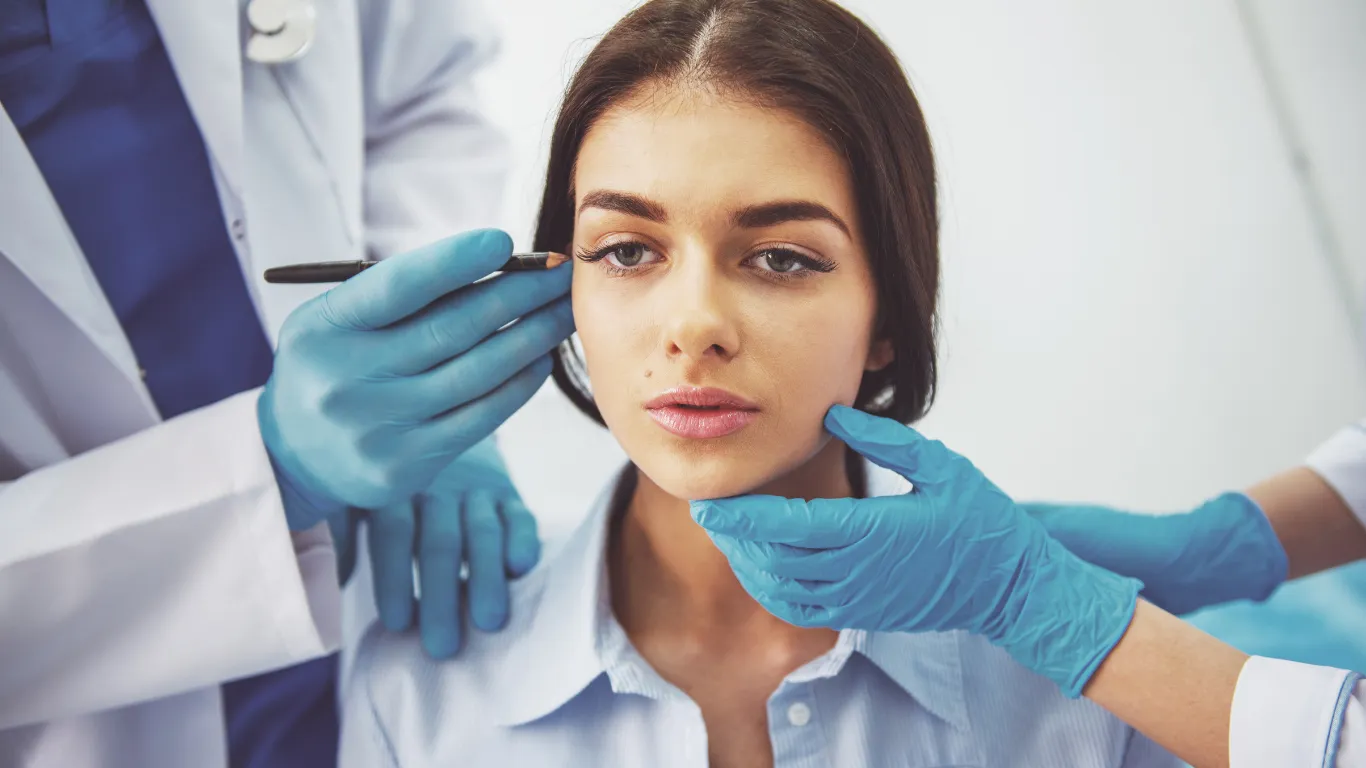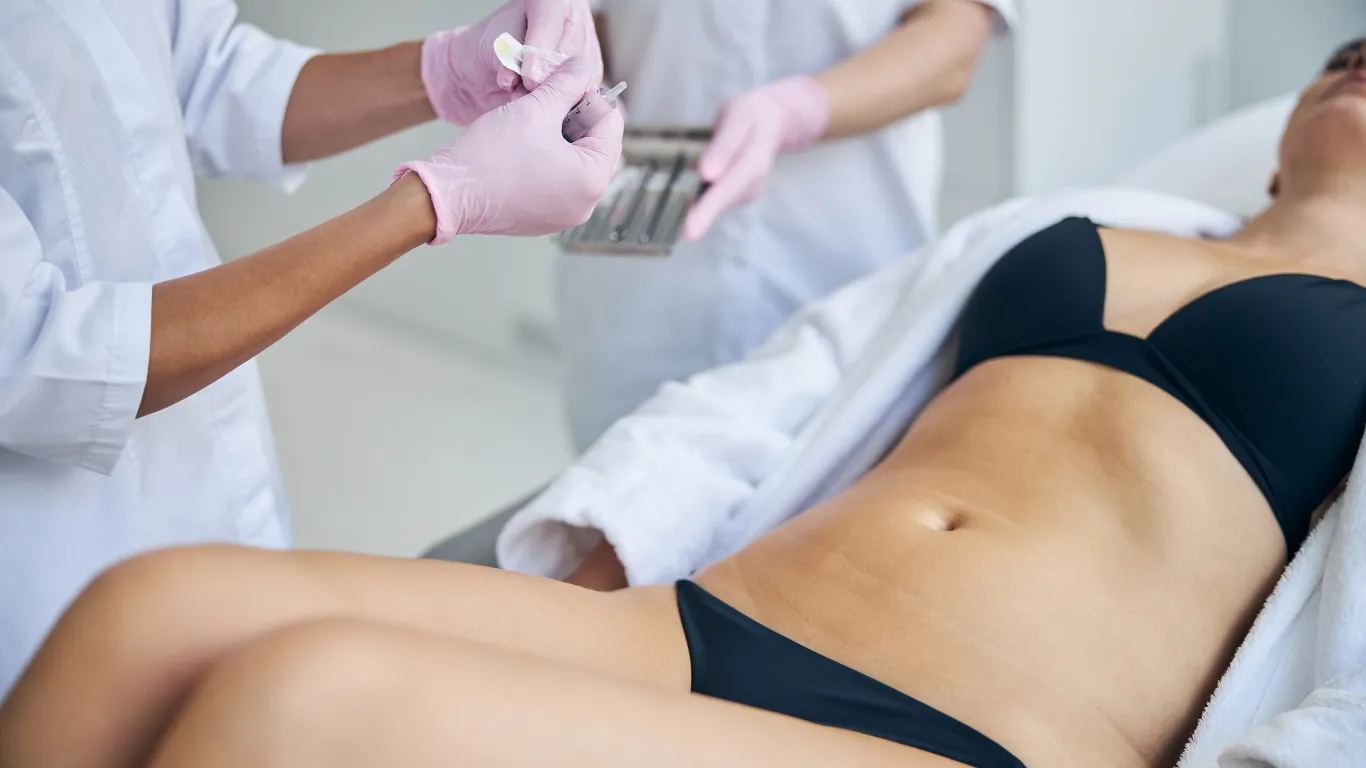

Deciding to undergo plastic surgery is not just about aesthetics; it is deeply emotional. For many international patients, it represents an opportunity to regain confidence, find closure, or improve their quality of life. However, along with that excitement comes an inevitable question: Is plastic surgery in Mexico safe?
Mexico has established itself as one of the world's most popular destinations for medical tourism. Competitive pricing, highly trained doctors, and proximity to countries like the United States and Canada make it an attractive option. But beyond the cost, what truly matters is patient safety.
In this context, understanding how medical certifications, hospital standards, and safety measures work is key to making an informed decision. It is not just about choosing a procedure, but about choosing the right person to perform it and the right place to have it done.
In this article, we explore in depth everything you need to know before traveling for plastic surgery in Mexico, with guidance from specialists like Dr. César López Romero, who emphasizes the importance of prioritizing safety at every stage of the process.
Is plastic surgery in Mexico safe?
The short answer is: yes, it can be safe, provided the right decisions are made. Mexico has highly trained surgeons, modern hospitals, and medical standards that, in many cases, are aligned with international regulations.
However, as in any country, safety depends on key factors such as the surgeon's certification, the quality of the facilities, and medical follow-up. The difference between a positive and a negative experience lies in prior research and making an informed choice.
Medical certifications: the foundation of safety
What certifications should a plastic surgeon have?
One of the most important aspects when evaluating if plastic surgery in Mexico is safe is verifying the surgeon's credentials. A reliable specialist must hold official certifications that validate their training and experience.
In Mexico, plastic surgeons must be certified by the Mexican Council of Plastic, Aesthetic, and Reconstructive Surgery (CMCPER). This certification ensures that the doctor has completed rigorous training and meets strict professional standards.
Additionally, it is recommended that the surgeon be a member of recognized national and international associations. This indicates an ongoing commitment to medical updates and best practices.
Why are these certifications important?
Certifications are more than just a title. They represent a control system that protects the patient. They ensure that the surgeon has the proper training, follows safe protocols, and is qualified to handle complications should they arise.
Choosing a non-certified doctor significantly increases the risks. For this reason, this step should not be skipped under any circumstances.
Hospital standards in Mexico
How to identify a safe hospital?
Another determining factor in answering the question is plastic surgery in Mexico safe? is the facility where the procedure will be performed. Not all medical centers offer the same level of safety.
A reliable hospital must have national or international accreditations, such as certification from the General Health Council or even international standards like the Joint Commission International (JCI).
Furthermore, it must have equipped operating rooms, modern technology, and strict sterilization protocols.
The importance of medical infrastructure
Hospital infrastructure has a direct impact on patient safety. A well-equipped center can respond immediately to any complication.
It is also essential that it has trained medical staff, including certified anesthesiologists, specialized nursing staff, and intensive care units in case of an emergency.
Patient safety: key factors
Pre-surgical medical evaluation
Before any surgery, a complete medical evaluation is essential. This includes laboratory tests, a review of medical history, and a detailed consultation.
This process allows for the identification of potential risks and the adaptation of the procedure to the patient's specific conditions.
Protocols during surgery
During the procedure, safety depends on multiple factors such as anesthesia, constant monitoring, and adherence to surgical protocols.
A professional medical team follows strict standards to minimize risks and ensure a controlled environment.
Postoperative care
Safety doesn't end in the operating room. Postoperative care is crucial for a successful recovery.
A good surgeon provides clear instructions, follow-up appointments, and availability to address any complications.
Advantages of having plastic surgery in Mexico
Mexico offers multiple benefits that make it an attractive destination for international patients. One of the main ones is value for money. Costs are often significantly lower without compromising medical quality.
In addition, many surgeons have international training and experience with foreign patients, which facilitates communication and builds trust.
Geographic proximity also allows for shorter and more accessible travel, especially for patients from North America.
Risks and how to minimize them
Although plastic surgery can be safe, there are risks inherent to any surgical procedure. These include infections, anesthesia complications, or unwanted results.
However, these risks can be considerably reduced by choosing a board-certified surgeon, an accredited hospital, and following all medical instructions.
The key is not to make decisions based solely on price. Safety should always be the priority.
What should international patients consider?
Prior research
Before traveling, it is essential to thoroughly research the surgeon and the clinic. Checking credentials, reading reviews from other patients, and requesting virtual consultations can make all the difference.
Clear communication
Communication with the doctor must be transparent. It is important to ask all necessary questions and fully understand the procedure.
Travel planning
You should also consider the recovery time, accommodation, and support throughout the process.
The surgeon's role in patient safety
A responsible surgeon does more than just perform the procedure; they guide the patient through the entire journey. From the initial consultation to final recovery, their focus must be on safety.
Specialists like Dr. César López Romero emphasize the importance of medical ethics, transparency, and personalized treatment to ensure safe and satisfying results.
Frequently asked questions about plastic surgery safety in Mexico
How can I verify if a surgeon is board-certified?
You can check directly on the Mexican Council of Plastic Surgery website or ask the doctor for their certification number.
Is it riskier to have surgery abroad?
Not necessarily. The risk depends more on the quality of the doctor and the hospital than on the country itself.
What happens if I have a complication after returning to my home country?
It is important to coordinate a follow-up plan with your surgeon and have a local doctor who can assist if necessary.
How long should I stay in Mexico after surgery?
It depends on the procedure, but it is generally recommended to stay for at least one or two weeks for medical follow-up.
Safety begins with a good decision
Choosing to undergo plastic surgery is a significant step that deserves attention, care, and responsibility. The question is plastic surgery in Mexico safe? has a positive answer when the patient stays informed, does their research, and chooses board-certified professionals.
Mexico offers excellent medical options, but safety is not automatic. It depends on every decision you make before, during, and after the procedure.
With the guidance of experts like Dr. César López Romero, you can have a safe, reliable, and transformative experience. If you are considering taking this step, don't leave it to chance. Get informed, ask questions, and choose wisely.
Your well-being is what matters most. Take the first step toward your transformation with safety and confidence.